Tech Tips
Same Framework, Different Documents: Five Places Process Automation Earns Its Keep
Document review looks different in every department, but the problem underneath rarely does. See five places a Power Platform review framework earns its keep, and how it helps when a certification such as ISO 27001 sets the deadline.

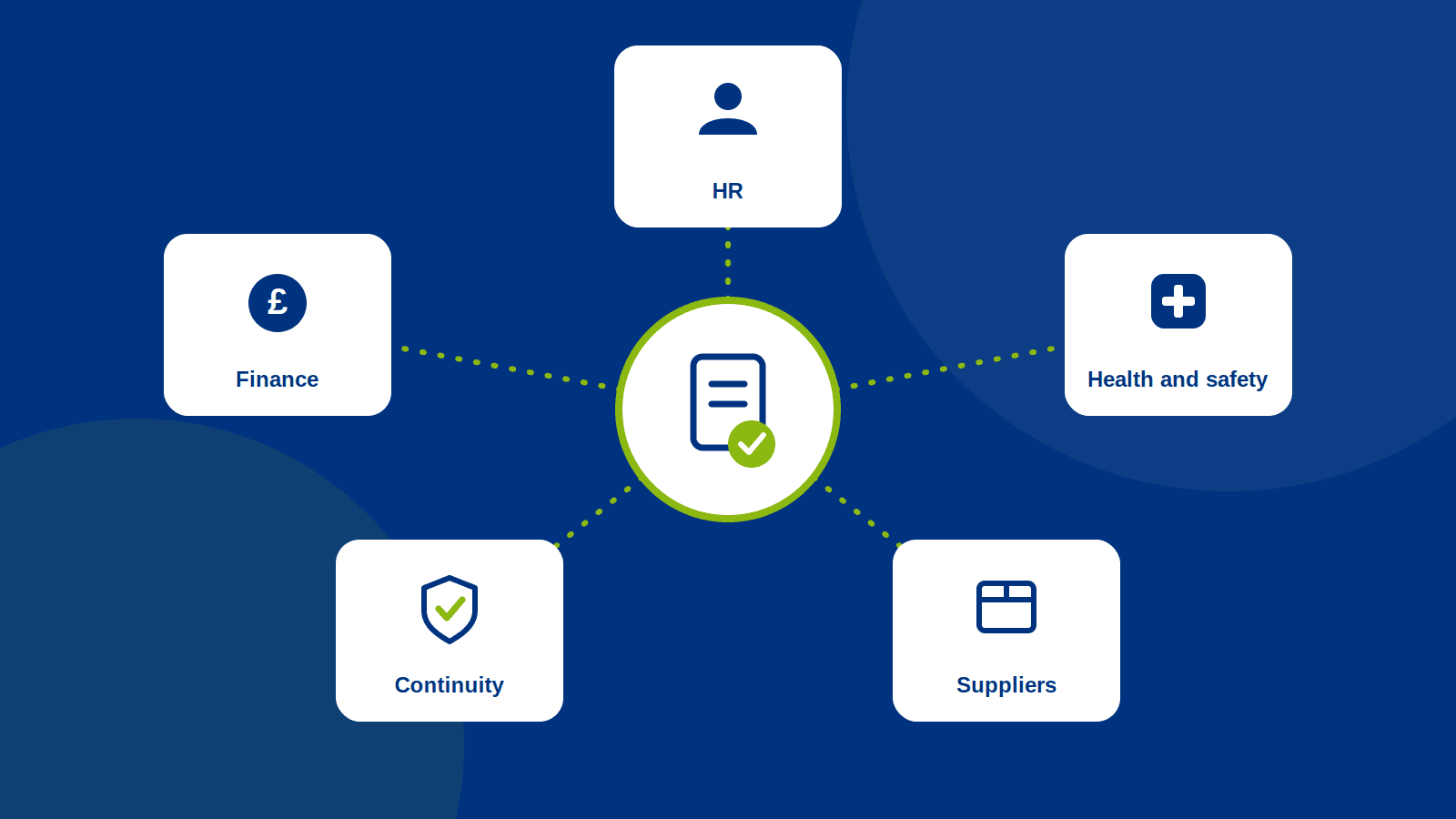
Strip away the subject matter and most controlled documents need the same five things: a named owner, a regular review, a clear approval, a record of what changed and somewhere to see it all at a glance. That is why a Power Platform framework built for one kind of document can be adapted for others. Here are five places where we think it earns its keep.
1: HR policies and employee handbooks
The handbook is the car manual in the glovebox. Everybody knows it is there, few have opened it, and it may still describe last year’s model. A review workflow gives each policy an owner and an approver, routes changes to them, and keeps a record of what changed and when.
2: Health and safety procedures
Think of a first aid kit full of expired plasters. It is present, but it is not ready for the day it is needed. When review dates are visible on a dashboard, overdue procedures stand out well before anyone else notices.
3: Supplier management and due diligence
A passport has an expiry date, and so does much of the evidence you hold on suppliers. Somebody has to notice when it runs out. A framework can track each review and sign-off, and keep the decision on record alongside the supporting documents.
4: Business continuity planning
A continuity plan is like the spare tyre in the boot. You only discover it is flat when you need it. People and systems change constantly, so the plan needs a named owner and a regular review. A dashboard shows which plans have not been looked at recently.
5: Financial controls and internal governance
Some cheques need two signatures for a reason. Approval routing makes the same principle work for documents, with clear accountability for each decision and a record of who approved what.
When a certification sets the deadline
The same approach helps when a standard such as ISO 27001 sets the timetable. Management system standards like this expect documents to be controlled, owned and reviewed, with evidence that it happened. Building that history as people do their jobs, rather than reconstructing it from inboxes the week before an audit, takes much of the pain out of preparation. It is one scenario among many. Certification itself remains a matter for your certification body and any ISO specialists you work with, and the framework simply makes the documents and evidence easier to look after.
What they have in common
In each case the document is only half the job. The other half is the ownership, the review cycle and the evidence around it. Bringing those into one place means less chasing and a consistent way of working across departments.
Every organisation does this differently, so the framework is shaped around your own policies, procedures and approval routes. If you would like to talk about where it could help you, drop us a line at our enquiries page or join us on LinkedIn.
Have a read of our blog "Written, Filed and Forgotten? Fixing Your Document Review Process with Power Platform Automation"
MD
Mandy Doward
Managing Director
PTR’s owner and Managing Director is a Microsoft certified Business Intelligence (BI) Consultant, with over 35 years of experience working with data analytics and BI.
Latest Articles

Frequently Asked Questions
Couldn’t find the answer you were looking for? Feel free to reach out to us! Our team of experts is here to help.
Contact Us